Post
Property Dispute Attorneys: A Guide to Resolving Ownership Challenges
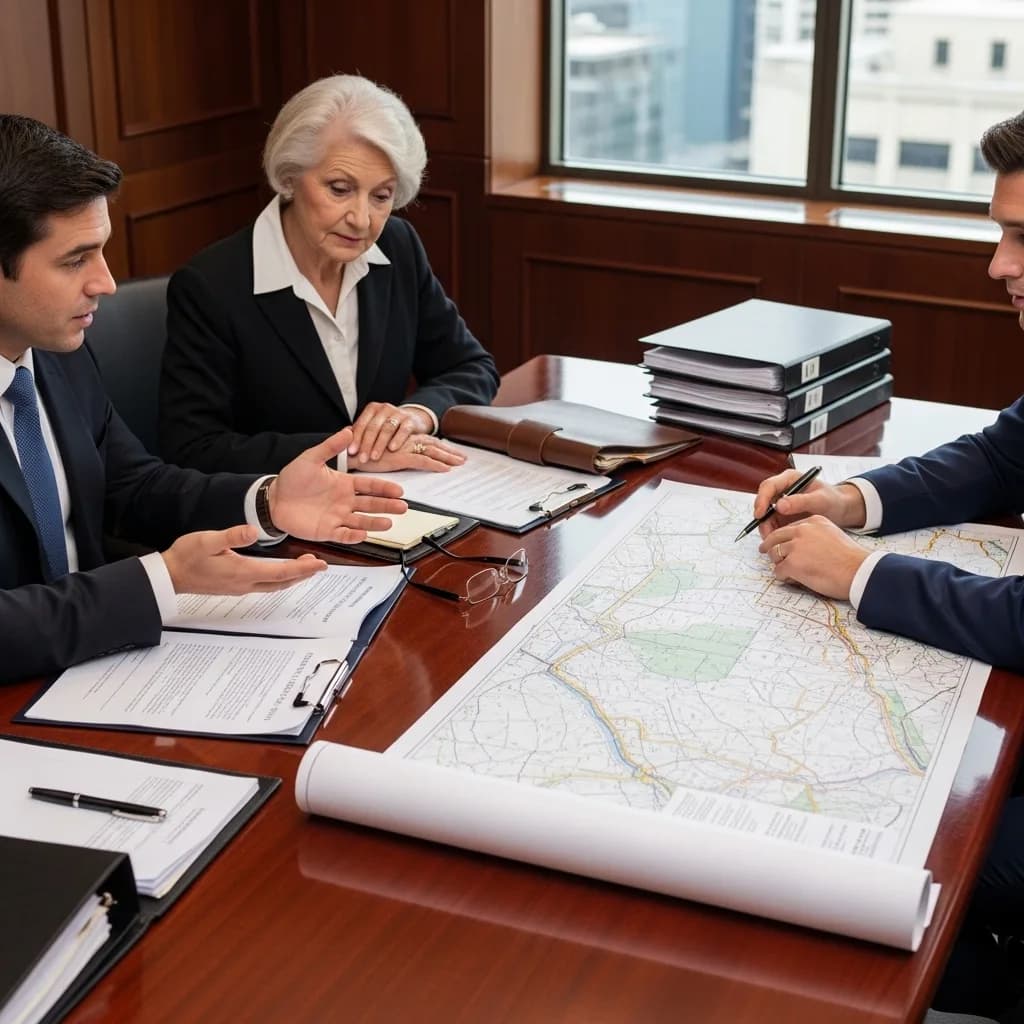 Property Litigation Law Services
Property disputes rank among the most consequential legal challenges for businesses and individuals in India today. Whether the matter involves contested title deeds, boundary encroachments, or co-ownership conflicts, the consequences of an unresolved claim can extend for years. Engaging property dispute attorneys at the right stage is critical to achieving a structured and defensible resolution. This guide explores the nature of ownership disputes in India, the professional role of legal counsel in resolving them. It also outlines the key considerations when selecting property legal consultancy .
Key Takeaways
Property dispute attorneys provide precise legal functions across title verification, negotiation, and court representation.
Early engagement of a property legal advisor helps prevent disputes from escalating into prolonged litigation.
Selecting the right property legal consultancy requires evaluating domain expertise, local jurisdiction knowledge, and litigation experience.
Understanding Property Disputes in India
Property ownership disputes in India arise at the intersection of civil, revenue, and administrative law. Resolving them often requires careful navigation of both central statutes and state-specific regulations. The intersection of central statutes and state-specific regulations makes these matters legally intricate. Understanding the underlying causes and the legal framework is the essential first step in any dispute resolution strategy.
Common Causes of Property Ownership Disputes
Ownership challenges typically stem from documentation failures, competing claims, or regulatory non-compliance across the transaction chain.
Title defects are among the most frequent triggers of property disputes in India. These arise from incomplete registrations, gaps in the chain of title, fraudulent transfers, or undisclosed encumbrances. Boundary disagreements between adjacent landowners, partition disputes among co-owners or family members, and conflicts over development rights are frequent causes. For businesses acquiring commercial premises, disputes related to prior mortgages, easements, or unresolved legal proceedings against the property can derail transactions entirely. According to data from the National Judicial Data Grid, property and land-related matters constitute one of the largest categories of civil litigation pending before Indian courts. This reflects the scale and frequency of these challenges.
Why Ownership Disputes Require Specialised Legal Knowledge
Property law in India involves multiple statutes and state-specific regulations that general legal counsel may not navigate effectively.
Resolving a property dispute requires working across the Transfer of Property Act, 1882, the Registration Act, 1908, state revenue codes, tenancy laws, and land ceiling statutes. The applicable forum varies depending on the nature of the dispute. Title suits proceed before civil courts, while mutation and revenue matters are handled by separate administrative tribunals. Property litigators who practise across these forums understand not only the substantive law but also the procedural requirements specific to each jurisdiction. Businesses that engage general legal counsel without dedicated property expertise often encounter delays and procedural missteps that weaken their legal position at critical junctures.
The Role of Property Dispute Attorneys
The responsibilities of property dispute attorneys extend well beyond courtroom advocacy. Their involvement spans document assessment, strategy formulation, and representation across multiple legal forums.
How Property Litigators Assess and Build Ownership Claims
A thorough review of all property documentation is the foundation of any successful ownership claim.
Property litigators undertake a detailed examination of title deeds, sale agreements, encumbrance certificates, mutation records, and relevant revenue documents. Any discrepancies or deficiencies are addressed through legal remedies and corrective measures prior to initiating formal proceedings. It ensures compliance with statutory and procedural requirements. This preparatory work is critical. Weak or incomplete documentation is one of the primary reasons ownership claims fail before courts and tribunals. Legal counsel understands how to compile and present evidence effectively and identify procedural defenses. They also anticipate the factual and legal arguments of the opposing party. A structured approach to documentation sets the tone for all subsequent legal strategy.
Negotiation and Alternative Dispute Resolution in Property Matters
Not every ownership dispute requires full-scale litigation. Structured negotiation and mediation often deliver faster and more cost-effective outcomes for commercial parties.
Property dispute attorneys assess whether negotiation, mediation, or arbitration is viable before recommending litigation. Structured negotiation between parties, facilitated by legal counsel, can produce settlements that protect the client's core interests. Such negotiations also help avoid the cost and uncertainty of a trial. Indian courts actively encourage mediation as a pre-litigation step, and many commercial disputes involving shared ownership, development rights, or lease disagreements are resolved through this channel. A property legal advisor will evaluate the risk-benefit profile of each resolution pathway and recommend the approach most aligned with the client's long-term interests and timeline requirements.
Representation Before Courts and Revenue Authorities
When disputes cannot be resolved without formal proceedings, Property Attorneys represent clients across civil courts, high courts, and revenue tribunals.
Cases involving injunctions, specific performance, title declarations, or adverse possession require court-based advocacy. The procedural rules differ significantly between civil suits governed by the Code of Civil Procedure, 1908, and revenue matters handled before administrative bodies. Property dispute attorneys with experience across these forums provide a material advantage. Multi-forum disputes, where the same property is subject to concurrent civil and revenue proceedings, are legally intricate. Counsel who understands both the legal and administrative dimensions of such matters can coordinate strategy across proceedings to prevent inconsistent orders and protect the client's position at every level.
When to Engage a Property Legal Advisor
The timing of legal engagement has a direct bearing on the outcome of any property matter. Early involvement enables preventive action; delayed engagement limits available options.
Pre-Transaction Due Diligence and Document Verification
Engaging a property legal advisor before completing a transaction is the most effective way to identify and address ownership risks before they become disputes.
Due diligence at this stage covers verification of the chain of title, review of encumbrance certificates, confirmation of zoning and land use permissions. This also covers identification of any existing litigation against the property. For businesses acquiring commercial property, legal review is a necessary safeguard that a financial audit alone cannot replace. Property document verification services provide a structured process for uncovering defects that may not be apparent from surface-level review. Early identification of title issues allows buyers to negotiate appropriate indemnities, seek price adjustments, or withdraw from the transaction before making irreversible commitments.
Responding to Breach of Covenant and Active Disputes
Once a dispute has emerged, the priority is to assess the client's legal standing and take immediate steps to preserve their position.
Property dispute attorneys advise on interim remedies such as injunctions and stay orders to prevent further encroachment or alienation of the disputed property. Breach of covenant issues are particularly common in commercial real estate, where obligations related to maintenance, permitted use, and structural alterations are frequently contested. Understanding the legal remedies available for breach of covenant allows businesses to respond in a structured and legally informed manner, rather than pursuing reactive measures that may compromise their case at a later stage.
Guidance on Engaging Property Law Professionals
Key Criteria for Evaluating Property Dispute Attorneys
Assessing a property legal consultancy requires looking beyond general litigation credentials to domain-specific expertise and jurisdictional knowledge.
When selecting property legal counsel, businesses should review the firm’s experience in the relevant dispute or transaction. They should also check the firm’s familiarity with local courts and revenue authorities. It is equally important that the firm can manage both transactional and contentious matters within a coordinated legal strategy. Fragmented legal advice across multiple firms increases the risk of inconsistent strategy. For matters involving properties in Kerala, counsel with working knowledge of the Kerala Land Reforms Act, 1963, and the state's revenue administration structure provides a distinct advantage. Before engaging property litigators, confirm their direct experience in the relevant jurisdiction and forum, not merely general civil litigation practice.
Conclusion
Property disputes demand structured legal engagement across documentation review, negotiation, and formal proceedings. Engaging property dispute attorneys at the right stage before a transaction, during a dispute, or in formal litigation helps protect ownership rights. This approach also supports achieving long-term, reliable outcomes. A property legal team provides expertise in documentation review, negotiation, and formal proceedings to support effective dispute resolution. Case studies of NRI ancestral property litigation in Kerala illustrate how legal expertise is applied in property dispute resolution.
Frequently Asked Questions
What do property dispute attorneys handle?

When should I consult a property legal advisor?
What is the difference between a property legal advisor and a property litigator?
A property legal advisor focuses on transactional due diligence, documentation review, and risk assessment. A property litigator handles contested disputes before courts and tribunals.
How long does a property dispute take to resolve in India?
What documents are required to initiate a property dispute claim?
Can property disputes be resolved without going to court?
Yes. Negotiation, mediation, and arbitration are recognised alternatives to litigation in India. Courts also encourage parties to attempt mediation before trial. Commercial disputes involving shared ownership or contractual obligations are frequently resolved through these channels. The suitability of each approach depends on the nature of the dispute, the parties involved, and the remedies sought.
What is title due diligence and why does it matter?
Are property laws different across Indian states?
What interim relief can be sought in a property dispute?
Courts may issue injunctions to prevent the opposing party from dealing with or altering the disputed property. They may also grant stay orders to halt execution of adverse decisions and orders for the appointment of court receivers. Such remedies are generally sought at the outset of litigation to preserve the status quo.
How do I verify whether a property has pending litigation?
An encumbrance certificate from the sub-registrar's office reflects registered transactions, while court searches and revenue record checks help identify pending suits or claims. A property legal advisor coordinates these searches as part of a comprehensive due diligence process.